
Favorite Products For Concrete Surface Restoration and Repairs
Explore trusted products that help restore the appearance and integrity of damaged concrete surfaces.
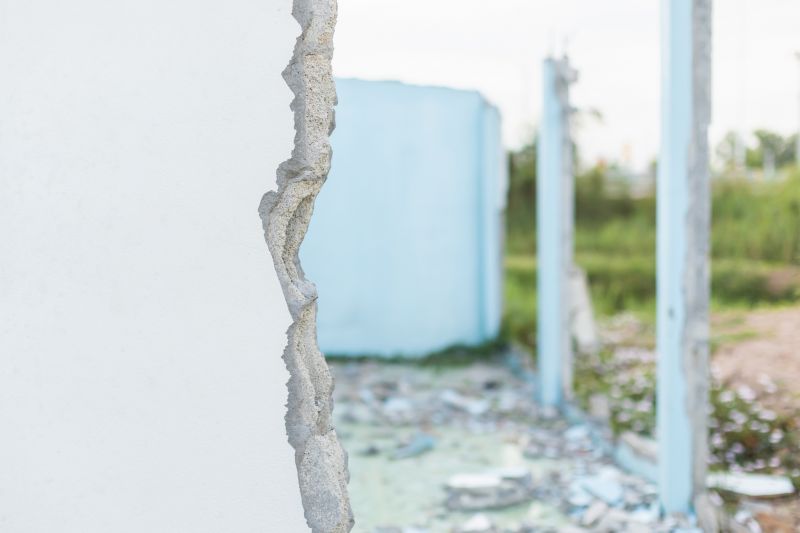 Concrete repair products are essential tools for maintaining the integrity and appearance of concrete surfaces in residential, commercial, and industrial settings. Over time, concrete can develop cracks, spalling, or surface deterioration due to weather exposure, load stress, or aging. Selecting the appropriate repair products can help restore strength and prevent further damage, ensuring longevity and safety. From patching compounds to sealers, the variety of products available caters to different types of damage and application needs. Proper preparation and application are crucial to achieving optimal results, making it important to understand the specific characteristics and purposes of each product type.
Top Overall Option
Polymer-Based Concrete Repair Compound
A versatile polymer-based repair compound offers excellent adhesion, flexibility, and durability for a wide range of concrete repair needs. Suitable for filling cracks, reconstructing damaged areas, and bonding new concrete to existing surfaces, this type of product is appreciated for its ease of application and long-lasting performance. It is often used in both indoor and outdoor settings, providing a reliable solution for various repair scenarios.
Types of Products For Concrete Repairs
Concrete Patch and Repair Mortar
Used for filling cracks and reconstructing damaged surfaces, suitable for structural and non-structural repairs.
Epoxy Injection Resin
Ideal for bonding cracks and filling voids, providing strong adhesion and structural support.
Hydraulic Cement
Fast-setting material for stopping leaks and repairing cracks exposed to water or moisture.
Polymer Modified Concrete Mix
Enhanced with polymers for improved adhesion, flexibility, and durability in repairs.
Concrete Sealants
Flexible sealants that prevent water ingress and protect against future damage.
Waterproofing Membranes
Applied to surfaces to create a waterproof barrier, ideal for foundations and below-grade repairs.
Surface Repair Putty
Fine-textured compounds for cosmetic repairs and surface smoothing.
Crack Repair Tape
Reinforced tapes used to reinforce cracks before sealing or patching.
Bonding Agents
Primers that enhance adhesion between old and new concrete layers.
Concrete Resurfacing Products
Overlay materials that restore the appearance and surface integrity of worn concrete.
Flexible Repair Caulk
Suitable for filling small cracks and joints, accommodating movement without cracking.
Self-Leveling Underlayments
Used to create smooth, even surfaces before finishing or overlaying.
Popular Choices
Easy-to-apply products designed to fill and seal cracks in concrete surfaces.
Quick-setting material used to seal leaks and repair cracks exposed to water.
All-in-one kits for bonding and filling cracks with durable epoxy formulations.
Products that restore the surface finish and appearance of worn or damaged concrete.
Flexible sealants designed to prevent moisture penetration in concrete structures.
Repair patches that bond well to existing concrete and accommodate slight movements.
Reinforced tapes that provide additional support for crack sealing.
Primers that improve adhesion of repair materials to existing concrete surfaces.
Sealants designed for joints and expansion areas to accommodate movement.
Overlay products for creating smooth, even surfaces over damaged areas.
Fast-curing materials suitable for urgent repairs or quick turnaround projects.
Fine repair compounds used to achieve a smooth finish on repaired surfaces.
In the realm of concrete repairs, understanding the differences between repair mortars, epoxies, sealants, and waterproofing agents can guide users toward suitable solutions. Repair mortars are typically used for filling larger cracks or reconstructing damaged surfaces, providing structural support when necessary. Epoxy-based products are favored for their adhesion and durability, especially in bonding new concrete to existing structures or filling deep cracks. Sealants and waterproofers help protect repaired surfaces from moisture ingress, which is vital in areas exposed to water or high humidity. Proper application techniques, including surface preparation and curing times, are critical to ensure the longevity of the repair.
Choosing the right product also involves considering environmental conditions, the extent of damage, and the specific location of the repair. For instance, outdoor surfaces exposed to freeze-thaw cycles require products with good flexibility and waterproofing properties. Indoor applications might prioritize aesthetic finishes and ease of use. Maintenance and future repair considerations should also influence the selection process, ensuring that the chosen products can be easily integrated into ongoing upkeep routines. Consulting product labels and manufacturer guidelines can provide additional insights into suitability and application methods.
Overall, a comprehensive understanding of available concrete repair products and their appropriate use cases can help property owners and contractors make informed decisions. Properly selected and applied products contribute significantly to the durability and appearance of concrete surfaces, reducing the need for frequent repairs and preserving structural integrity over time.
Key Buying Considerations
- Determine the extent and type of damage to select appropriate repair products.
- Consider whether the repair requires structural support or cosmetic improvement.
- Check the compatibility of the product with existing concrete surfaces.
- Evaluate environmental conditions such as exposure to water, freeze-thaw cycles, or UV rays.
- Assess ease of application and curing times to fit project timelines.
- Choose products with appropriate flexibility for areas subject to movement or expansion.
- Review the adhesion properties to ensure long-lasting bonds.
- Select waterproofing or sealing products if moisture resistance is needed.
- Consider the color and finish to match or blend with existing surfaces if aesthetics are important.
- Verify product durability and resistance to wear and weathering.
- Ensure the product is suitable for indoor or outdoor use as required.
- Check for any special surface preparation requirements before application.
- Evaluate the ease of cleanup and safety instructions for handling.
- Review warranty or manufacturer recommendations for best results.
- Estimate the amount of product needed based on surface area and damage severity.